Magazine
Science | 6 MIN READ

Nutrigenomics:
Eating for your
specific DNA sequence.

The era of one-size-fits-all diet advice is ending. Welcome to the precision revolution where your genetic code writes the menu.

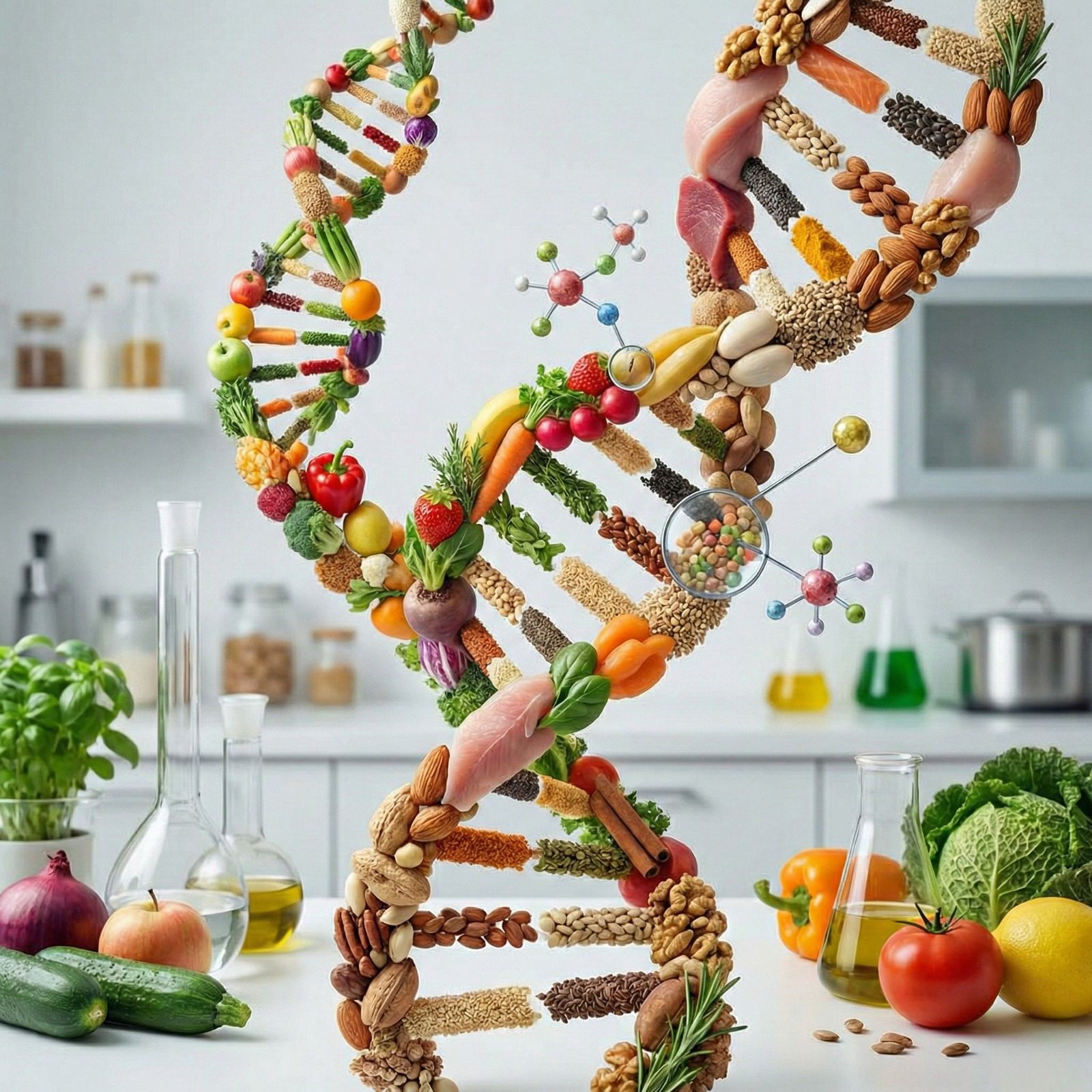
DNA abstract visualization

FIG 1.0 — THE DOUBLE HELIX
Mapping the interaction between nutrients and the genome.

The Concept


Nutrigenomics explores the relationship between nutrients, diet, and gene expression.

Imagine a diet plan that ignores trends and listens solely to your biology. For decades, nutrition science operated on averages—Recommending daily values based on the "average" human. But genomics has revealed a stark truth: biologically, the average human does not exist.

Nutrigenomics is the scientific study of the interaction of nutrition and genes, especially with regard to the prevention or treatment of disease. It posits that while our DNA is fixed, the expression of our genes is fluid, influenced heavily by the bioactive compounds in the food we consume.

Small variations in our genetic code, known as Single Nucleotide Polymorphisms (SNPs), dictate how we metabolize caffeine, process saturated fats, or absorb vitamins. One person’s superfood is another’s inflammation trigger.

Genetic Variance & Metabolism

Slow Metabolizer
Fast Metabolizer
Caffeine (CYP1A2)
Fast
Risk

Carriers of the AC or CC genotype metabolize caffeine slowly, increasing heart attack risk with high intake.

Sat. Fat (APOE)
Sensitive

APOE4 carriers have higher cholesterol response to saturated fats and should limit intake drastically.

Carbs (AMY1)
Moderate

Copy number variations in the AMY1 gene determine how efficiently one breaks down starch into glucose.

Profiles in Precision

The Oxidative Stress Type

Genetic variants in SOD2 and GPX1 genes reduce natural antioxidant defense.

Cruciferous
Vitamin C

The Methylation Deficit

MTHFR mutation affects folate conversion, crucial for DNA repair and mood.

Folate (B9)
Processed

"We are moving from an age of reactive medicine to predictive health, where the plate is the pharmacy and the genome is the prescription."

Dr. Alistair Vance, Geneticist

Healthy plated meal overhead

The Inflammation Protocol

Subject A presented with chronic fatigue and joint pain. Genetic testing revealed an IL-6 sensitivity. The intervention focused on down-regulating inflammatory cytokines through specific nutrient timing.

08:00
Turmeric & Ginger Shot

Curcumin absorption enhanced by piperine to combat morning inflammation markers.

13:00
Omega-3 Rich Bowl

Mackerel, walnuts, and flaxseed oil. Targeted ratio of 1:1 Omega-3 to Omega-6.

19:00
Low-Histamine Greens

Avoiding aged cheeses and fermented foods due to DAO gene deficiency.

Decoding Your Plate

You don't need a PhD to start applying the principles of nutrigenomics. Start by observing biofeedback after specific food groups.

Test, Don't Guess

Direct-to-consumer genetic panels can reveal MTHFR and APOE status.

Personalize Macros

Adjust fat and carb ratios based on your body's specific insulin response genes.

Bioactive Compounds

Use foods like broccoli sprouts or green tea as targeted molecular switches.